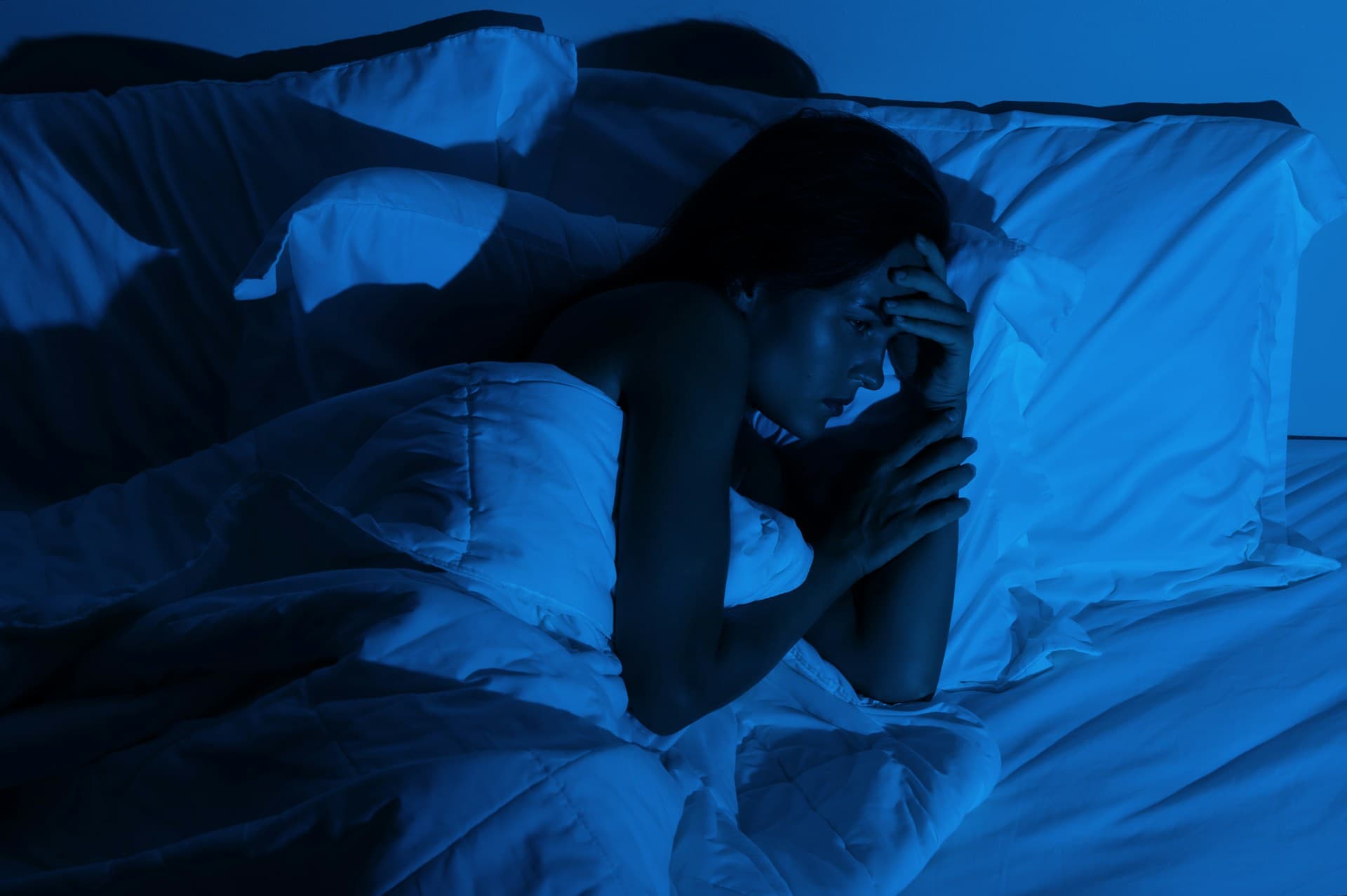
Know When Sleep Changes Point Beyond Insomnia
Trouble sleeping can leave you exhausted, frustrated, and unsure what is really going on. Insomnia is common and may occur on its own or alongside anxiety, depression, medication effects, medical conditions, substance use, or changes in routine. Sometimes, though, a major shift in sleep is part of a broader mood pattern that deserves a complete psychiatric evaluation.
Insomnia usually means difficulty falling asleep, staying asleep, waking earlier than planned, or getting sleep that does not feel restful despite having time to sleep. People with insomnia often want to sleep but cannot, then feel tired, distressed, or less able to function the next day. For patients in Grapevine, TX, sleep changes tied to mood symptoms can look different. They may involve sleeping very little while feeling unusually energized, active, confident, irritable, or driven. Sleeping less does not automatically mean bipolar disorder, but the full pattern matters.
At Resova Health, we assess sleep symptoms alongside mood, medication history, daily functioning, personal history, and family history. Our physician-led psychiatric care focuses on evaluation, diagnosis, and longitudinal medication management, primarily through telemedicine when clinically appropriate and available in your state.
Sleep Patterns That May Signal Mood Changes
One helpful distinction is the difference between being unable to sleep and feeling as though sleep is not needed. With insomnia, you may lie awake wanting rest and feel worn down the next day. During hypomania or mania, some people sleep only a few hours yet report feeling productive, restless, unusually alert, or fine despite limited sleep. A psychiatrist for sleep disorders considers this difference carefully because a single bad night does not establish a diagnosis.
Sleep changes become more concerning when they occur with other shifts in mood, behavior, or judgment. We look for an overall pattern over time, not one isolated symptom.
- Rapid speech, racing thoughts, or trouble slowing down
- Increased activity or taking on many projects at once
- Unusual irritability, confidence, or social energy
- Spending changes or other impulsive decisions
- Feeling driven, restless, or unlike your usual self
This condition can also include depressive episodes. During depression, some people have insomnia and wake early with worry or sadness. Others sleep much more than usual but still feel exhausted. Because sleep symptoms overlap with depression, anxiety, and other conditions, we evaluate the broader mood history before recommending treatment.
Severe agitation, confusion, psychosis, thoughts of self-harm, inability to care for yourself, or dangerous impulsive behavior require immediate emergency support. Those concerns should not wait for a routine outpatient evaluation.
How We Assess the Full Picture
A thoughtful psychiatric evaluation looks beyond the number of hours you sleep. We may ask when the sleep change began, how long it has lasted, what your bedtime routine looks like, and whether daytime energy has changed. Mood symptoms, anxiety, work or school functioning, relationships, substance use, and recent stressors can all provide useful context.
Your past experiences matter, too. During an evaluation, we may discuss prior depression, periods of unusually high energy, decreased need for sleep, past medication responses, hospitalizations, and relevant family psychiatric history. We also consider concerns that can overlap with sleep and mood symptoms, including ADHD, PTSD, OCD, and anxiety disorders.
Practical tools may help clarify patterns that are hard to notice day to day. Depending on your situation, we may recommend:
- A sleep and mood log
- A review of current and past medications
- Records from prior clinicians, when available
- Coordination with primary care or another medical specialist
- Medical testing through an appropriate provider when indicated
Sleep apnea, thyroid conditions, chronic pain, hormonal changes, and neurological concerns may affect sleep and mood. Our telepsychiatry model supports ongoing psychiatric assessment and medication management while recognizing the need for thorough history-taking, follow-up, and coordination with other professionals.
Medication, Substances, and Medical Conditions Matter
Many factors can disrupt sleep or resemble mood symptoms. Prescription stimulants, corticosteroids, some antidepressants, decongestants, caffeine, nicotine, alcohol, cannabis, and other substances may affect sleep quality, energy, and emotional regulation. We encourage an honest, nonjudgmental review of both prescribed and nonprescribed substances so that treatment decisions are based on the clearest possible picture.
Antidepressants may help some people with depression or anxiety. However, when a mood disorder involving mania or hypomania is possible, they require thoughtful monitoring. In certain individuals, antidepressants may contribute to activation, agitation, or mood elevation. We consider potential benefits and risks in light of your current symptoms, treatment history, and response to past medications.
Medical conditions should not be overlooked. Thyroid disease, sleep apnea, chronic illness, hormonal changes, and other health concerns can affect both sleep and mood. When a medical contributor may be involved, we may coordinate with a primary care clinician or relevant specialist rather than assuming every sleep concern is purely psychiatric.
Do not abruptly stop psychiatric medications, sleep medications, or other prescribed treatments without medical guidance. Sudden medication changes can worsen insomnia, anxiety, depression, or mood instability. Careful review can help determine whether an adjustment may be clinically appropriate.
Why Longitudinal Care Helps
One visit does not always provide every answer. Sleep and mood symptoms can change over days, weeks, or months, and diagnostic clarity may develop through structured follow-up. Longitudinal care allows us to track sleep, energy, mood, medication effects, side effects, and changes in daily functioning over time.
Medication management may include reviewing what you currently take, considering evidence-based treatment options for insomnia, depression, anxiety, or mood instability, and making gradual adjustments when appropriate. Results vary based on diagnosis, medical history, co-occurring conditions, and individual response to care.
Psychiatric treatment can also work alongside primary care, sleep medicine, psychotherapy, and other appropriate services. Our role at Resova Health is centered on psychiatric evaluation, diagnosis, and ongoing medication management, rather than coaching or nonmedical wellness services. We may also provide diagnostic clarification, medication stabilization, second opinions, and return-to-referrer recommendations when those services fit the clinical situation.
Take Sleep Changes Seriously
Persistent insomnia and sudden changes in sleep deserve attention, especially when they appear with major changes in energy, mood, or behavior. Insomnia often involves wanting sleep but being unable to get it. Sleep changes related to bipolar disorder may involve reduced sleep with unusually high energy or other symptoms of hypomania or mania. Both concerns can affect daily life and deserve individualized assessment.
Keeping track of sleep, energy, mood, medication changes, and impulsive behavior can make a clinical conversation more useful. If there are immediate safety concerns, psychosis, severe confusion, dangerous impulsivity, or thoughts of harming yourself or someone else, seek emergency services or urgent in-person evaluation right away.
Clarify What Your Sleep Changes May Mean
At Resova Health, we provide psychiatric evaluation and medication management for sleep concerns that may be connected to mood symptoms. Consider a psychiatrist for sleep disorders when persistent changes in sleep, energy, or behavior need careful diagnostic review. We can discuss your history, current medications, and treatment options through longitudinal psychiatric care, primarily delivered by telemedicine.