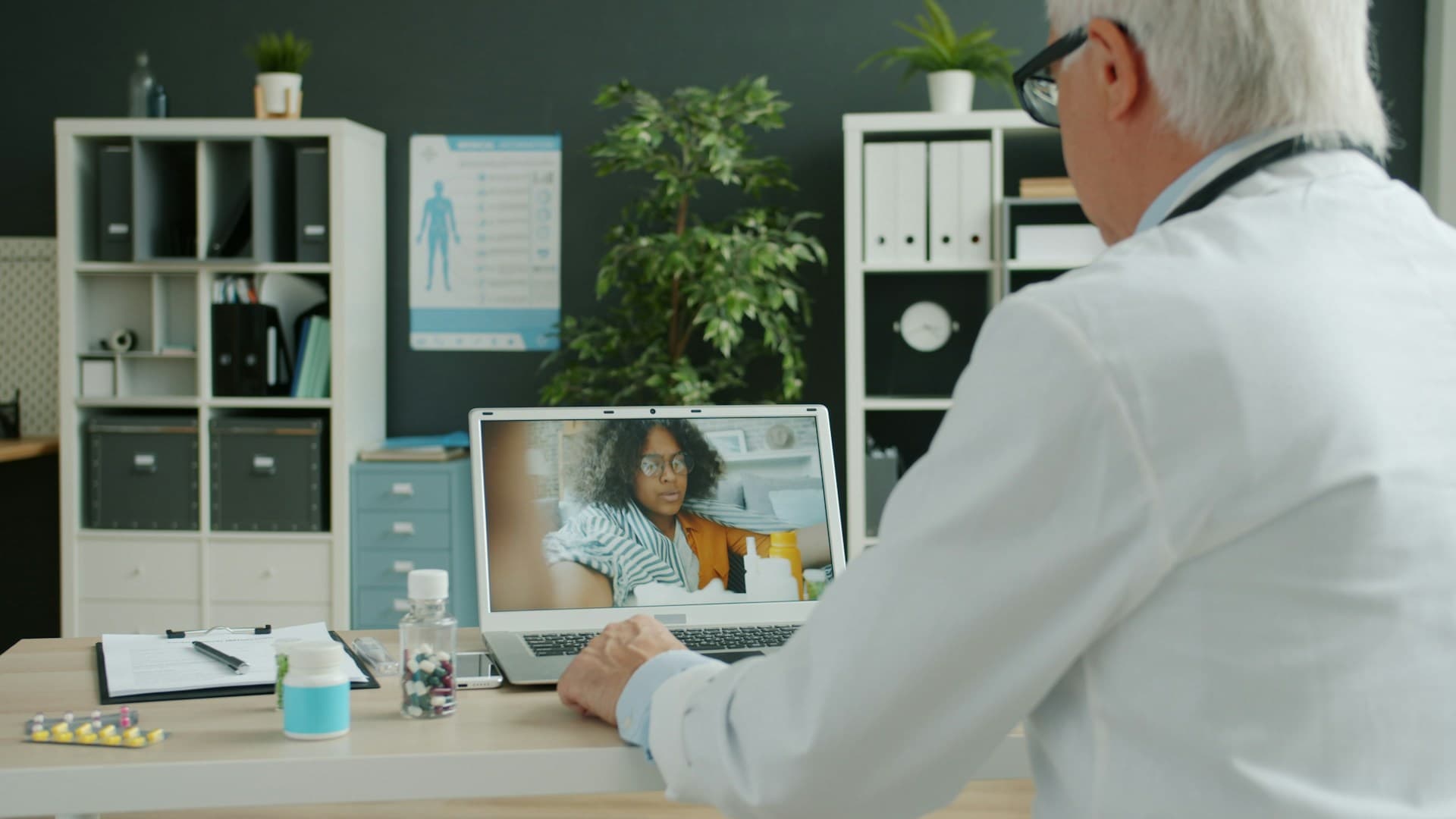
Telepsychiatry That Adapts to Where You Live
Remote psychiatric care lets many people meet with a psychiatrist without leaving home. At its best, it is not a quick chat or a one-time refill. It is a physician-led, psychiatry-first model focused on careful psychiatric evaluation, clear diagnosis when possible, and thoughtful medication management over time.
Whether a person lives on a country road or in a busy city, the core of good telepsychiatry stays the same. What does change is how we plan for safety, arrange lab work, and coordinate with local medical and counseling teams. That balance becomes especially important as fall and winter arrive, when shorter days, mood shifts, holiday stress, and bad weather can make it harder to get to in-person care.
What Stays the Same in Rural and Urban Telepsychiatry
Psychiatric care should feel structured and steady, no matter a person’s ZIP code. Rural and urban patients can expect the same core pieces of care in a physician-led telepsychiatry practice.
We focus on:
- Comprehensive psychiatric evaluation, including current symptoms, history, family patterns, and past treatments
- Careful, evidence-informed diagnosis when the information supports it
- Medication planning, including starting, adjusting, or simplifying prescriptions when clinically appropriate
- Ongoing follow-up to see how symptoms change over time
Remote care does not mean casual care. A structured telemedicine workflow helps keep appointments organized and clinically sound. That usually includes:
- Secure video platforms that protect privacy
- Scheduled follow-up visits at agreed intervals
- Symptom rating scales or checklists when they may help track change
- Medication monitoring, including side effect review and lab orders when needed
At Resova Health, we aim to provide longitudinal psychiatric care when it is clinically indicated. We also serve as a referral destination. That can include independent psychiatric evaluations, second opinions, and assessments for advanced treatments such as TMS or ketamine. Those evaluations follow the same standards whether the person lives in a rural town or a large city.
Remote Psychiatric Care and Access in Rural vs. Urban Areas
The access problem looks different in a county with one small hospital than it does in a crowded metro area. Telepsychiatry may help in both places, just in different ways.
Common rural barriers include:
- Very few local psychiatrists or none at all
- Long drives to the nearest clinic or hospital
- Winter weather or storms that make travel unsafe
- Limited or no public transportation
For some rural patients, remote psychiatric care may help them start treatment earlier, avoid missed visits due to roads or weather, and get consistent medication management without an all-day trip.
Urban patients often face other kinds of strain:
- Long waitlists, even when many clinics are nearby
- Time lost from work or school for office visits
- Traffic, parking, and crowded public transport
- Childcare needs that make daytime office visits hard
In cities, telepsychiatry can reduce some of those stress points while still keeping to a structured plan of follow-ups, medication monitoring, and clear communication.
State licensure and insurance rules matter in both settings. Psychiatrists must be licensed in the state where the patient is located during the visit. Insurance coverage can also change from state to state. Resova Health provides remote psychiatric care on a state-specific basis, and in-person services, including TMS and ketamine infusions when clinically appropriate, are available only at our Virginia location.
Safety Planning and Crisis Response Across Different Settings
Good psychiatric care pays close attention to safety, especially when a person has symptoms like suicidal thoughts, severe mood swings, or psychosis. In telepsychiatry, we plan for safety very directly, because we are not in the same room with the patient.
Safety planning usually includes:
- Discussing current and past risk, in clear but calm language
- Working together on a written or verbal plan for what to do if symptoms get worse
- Identifying people and places that can offer support in a crisis
Rural and urban areas often have different crisis resources. In some rural regions, there may be:
- Longer response times for ambulances or law enforcement
- Greater distance to the nearest ER or psychiatric unit
- Limited or no mobile crisis teams
Urban areas may have closer hospitals and more crisis services, but those systems can feel crowded and confusing. We adjust safety plans to reflect what is actually available near the patient, not just what would be ideal.
During telepsychiatry visits, patients can expect that we will:
- Confirm their physical location at the start of the session
- Identify local ERs and crisis lines that serve their specific area
- Talk about trusted backup contacts when appropriate
- Clarify when in-person evaluation, hospitalization, or calling local emergency services may be necessary
The goal is not to frighten anyone, but to create a clear, shared plan before a crisis happens.
Labs, Monitoring, and Working with Local Clinicians
Many psychiatric medications may require some level of medical monitoring. This does not change just because visits are online. In fact, careful coordination becomes even more important.
Laboratory tests and medical checks may be recommended for:
- Mood stabilizers that can affect kidney, liver, or thyroid function
- Certain antidepressants or antipsychotics that may affect weight, blood sugar, or cholesterol
- Medications where blood levels help guide safe dosing
In remote psychiatric care, lab work is usually arranged through:
- Electronic lab orders to community labs or hospital-based services
- Collaboration with a local primary care clinician who can also review results
- Shared planning so the patient knows where to go and when to get labs done
At Resova Health, we review results and adjust treatment plans when clinically indicated. When a patient already has a primary care clinician, we usually recommend ongoing communication, especially for shared issues like blood pressure, blood sugar, or other medical conditions.
In both rural and urban areas, local providers play a key role. They may include:
- Primary care clinicians who manage general health
- Therapists who provide counseling or trauma treatment
- Specialty services, such as TMS or ketamine clinics, when appropriate
Our role includes evaluation and gatekeeping for treatments like TMS and ketamine, especially outside Virginia, rather than being the direct procedure provider in other states.
Coordinating Complex Care and Advanced Treatment Referrals
Some people live with complex or treatment-resistant conditions. In those cases, a clear team structure can help keep care from becoming scattered. Remote psychiatric care can sit at the center of that structure.
Complex care may involve:
- Regular psychiatric visits for medication strategy and monitoring
- Ongoing therapy with a local counselor or teletherapist
- Input from primary care on physical health and lab monitoring
- Referral to regional specialty programs or hospitals when needed
Resova Health provides objective pre-surgical psychological evaluations, independent psychiatric evaluations, and assessments for TMS or ketamine suitability. We keep a clear line between evaluation and procedure delivery, with in-person TMS and ketamine infusion therapy offered at our Virginia location when clinically appropriate.
Coordination can look different depending on where a person lives:
- In rural settings, we may rely more on regional hospitals, community clinics, or teletherapy networks
- In urban areas, we may work within large health systems with many departments and subspecialties
In both cases, our focus is to keep psychiatric medication management and longitudinal monitoring, when indicated, anchored to a consistent physician or physician-led team, so care feels more connected and less scattered across many separate visits.
Take The First Step Toward Compassionate Mental Health Support
If you or a loved one is ready for convenient, clinically grounded care from home, we are here to help. Explore our remote psychiatric care options to see how Resova Health can support your specific needs and goals. Our team will partner with you to create a personalized treatment plan that fits your schedule and lifestyle. If you have questions or want to schedule an appointment, please contact us today.