
Introduction
Understanding attention deficit hyperactivity disorder (ADHD) is not just about observation; it’s a complex challenge that demands a nuanced approach. The rise in ADHD diagnoses highlights a pressing clinical issue: how can clinicians effectively utilize precise diagnostic methods to enhance patient outcomes? Neurological testing has become a pivotal tool in this process, offering critical insights that help distinguish ADHD from other mental health conditions.
As we explore this topic, it’s essential to understand the underlying causes of ADHD and the systemic challenges clinicians face. The increasing prevalence of ADHD diagnoses calls for a deeper examination of our diagnostic practices and treatment strategies. By leveraging intelligent systems and clinical insights, we can restore balance between precision and empathy in patient care.
Here’s what’s happening: ADHD is often misdiagnosed or overlooked due to overlapping symptoms with other conditions. This can lead to ineffective treatment plans and frustrated patients. Let’s look at the data: recent studies indicate that comprehensive neurological assessments can significantly improve diagnostic accuracy, leading to more tailored and effective interventions.
Next steps in treatment involve integrating these assessments into routine practice. Clinicians must consider how to implement these tools effectively, ensuring they are not just checking boxes but genuinely enhancing the quality of care. By focusing on intelligent, evidence-based care models, we can foster a more meaningful clinician-patient relationship.
In summary, understanding ADHD requires a commitment to continuous learning and adaptation.
Define Neurological Testing for ADHD
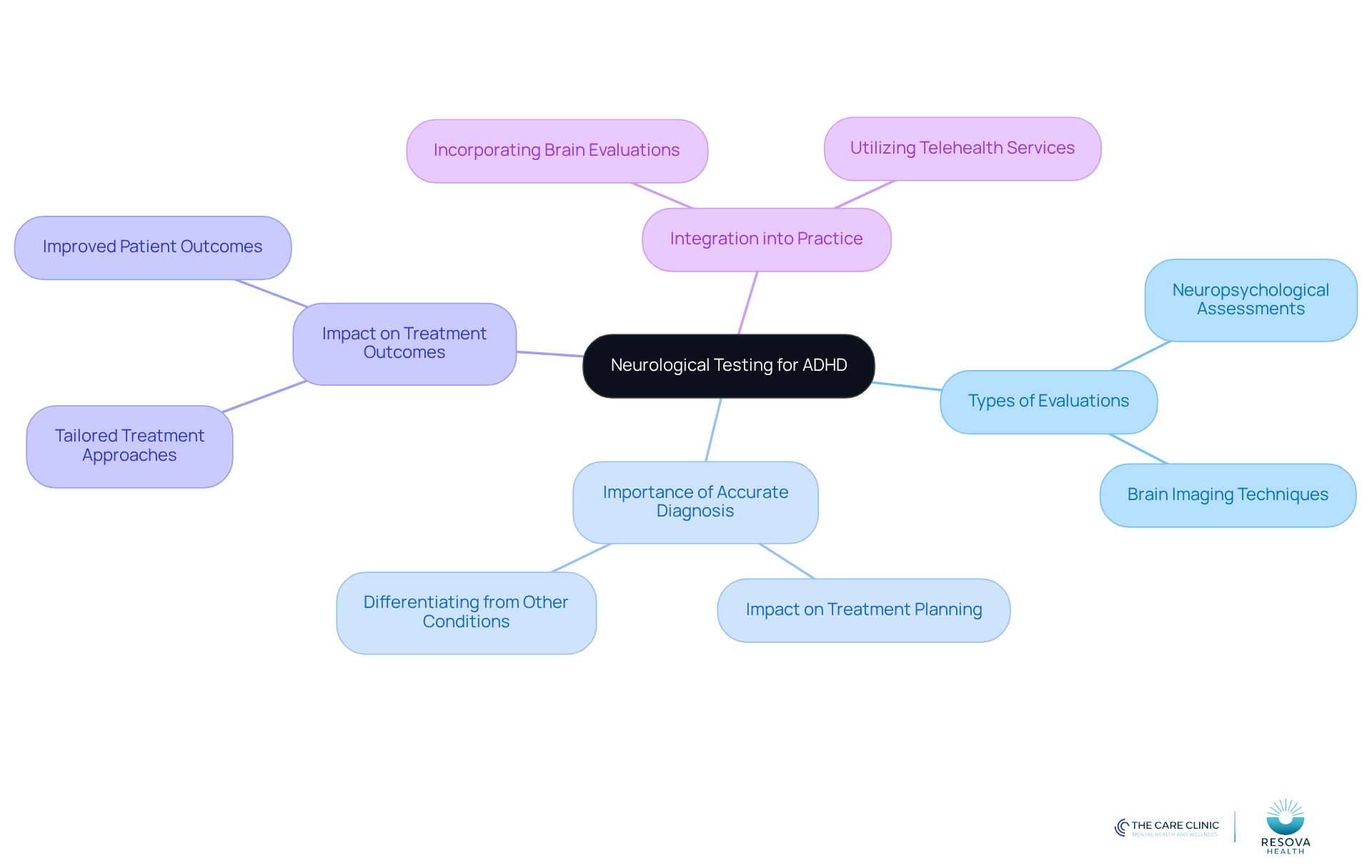
Identifying ADHD is crucial, as it affects millions of adults in the U.S. In 2023, approximately 15.5 million adults were diagnosed with this condition. Accurate diagnostic techniques are essential for effective treatment planning. A neurological test for ADHD encompasses various evaluations that assess cognitive functions and brain activity related to attention, impulse regulation, and executive functioning.
These evaluations include neuropsychological assessments, which measure cognitive abilities, and brain imaging techniques that visualize brain activity patterns. A neurological test for ADHD is vital for accurately identifying the condition and differentiating it from other mental health disorders.
Understanding the significance of these evaluations is paramount. A large-scale study involving over 140,000 patients highlighted significant trends in ADHD diagnoses, underscoring the need for robust assessment methods. These methods ensure accurate identification and appropriate intervention, ultimately improving patient outcomes.
As awareness of ADHD grows, the role of the neurological test for ADHD in diagnosis is increasingly recognized. Specialists emphasize that these assessments can lead to better treatment outcomes by tailoring approaches to meet individual needs. Incorporating brain evaluations into standard diagnostic practices is becoming more common, ensuring individuals receive the support necessary to manage their symptoms effectively.
Explain the Purpose of Neurological Testing in ADHD Diagnosis
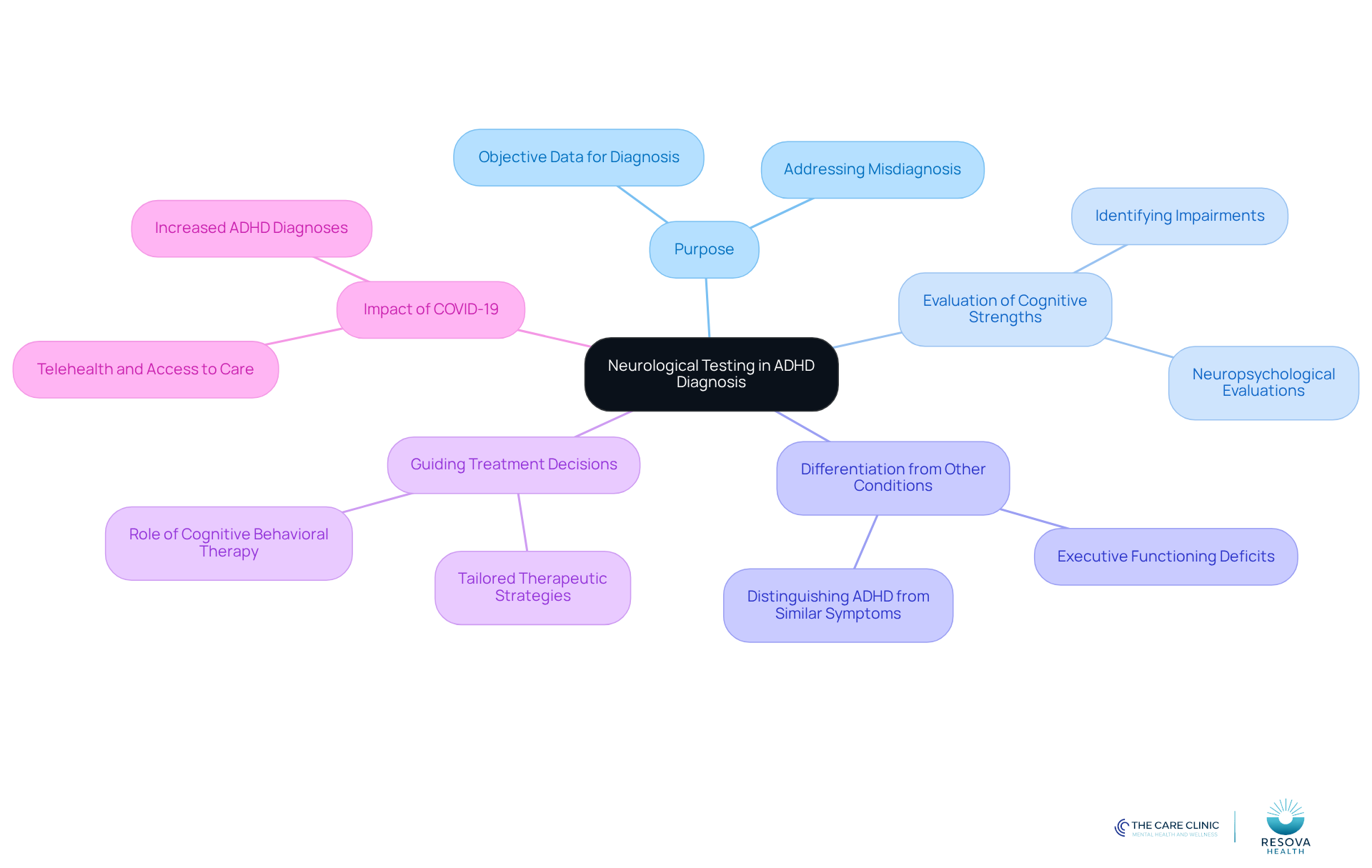
The challenge of accurately diagnosing attention deficit hyperactivity disorder (ADHD) is significant, impacting both clinicians and patients. Misdiagnosis can lead to ineffective treatment and prolonged distress. A neurological test for ADHD plays a crucial role in addressing this issue by providing objective data that can confirm or rule out ADHD as a diagnosis.
These assessments help clinicians evaluate cognitive strengths and weaknesses, identify specific areas of impairment, and differentiate ADHD from other mental health conditions that may present similar symptoms. For instance, neuropsychological evaluations can reveal deficits in attention and executive functioning, which are hallmark traits of ADHD.
Moreover, these tests guide decision-making by pinpointing the most effective therapeutic strategies tailored to the individual’s needs. Statistics indicate that approximately 10 percent of U.S. children currently have an ADHD diagnosis, underscoring the vital role of brain assessments in accurately identifying this condition.
The increase in documented ADHD cases during the pandemic has further highlighted the necessity for thorough evaluations. This ensures that misdiagnosis is minimized and appropriate care is provided. As Dr. Russell Barkley notes, ADHD significantly affects fundamental executive functions, making it essential for clinicians to utilize a neurological test for ADHD to guide their diagnostic and treatment strategies.
Outline the Process of Neurological Testing for ADHD
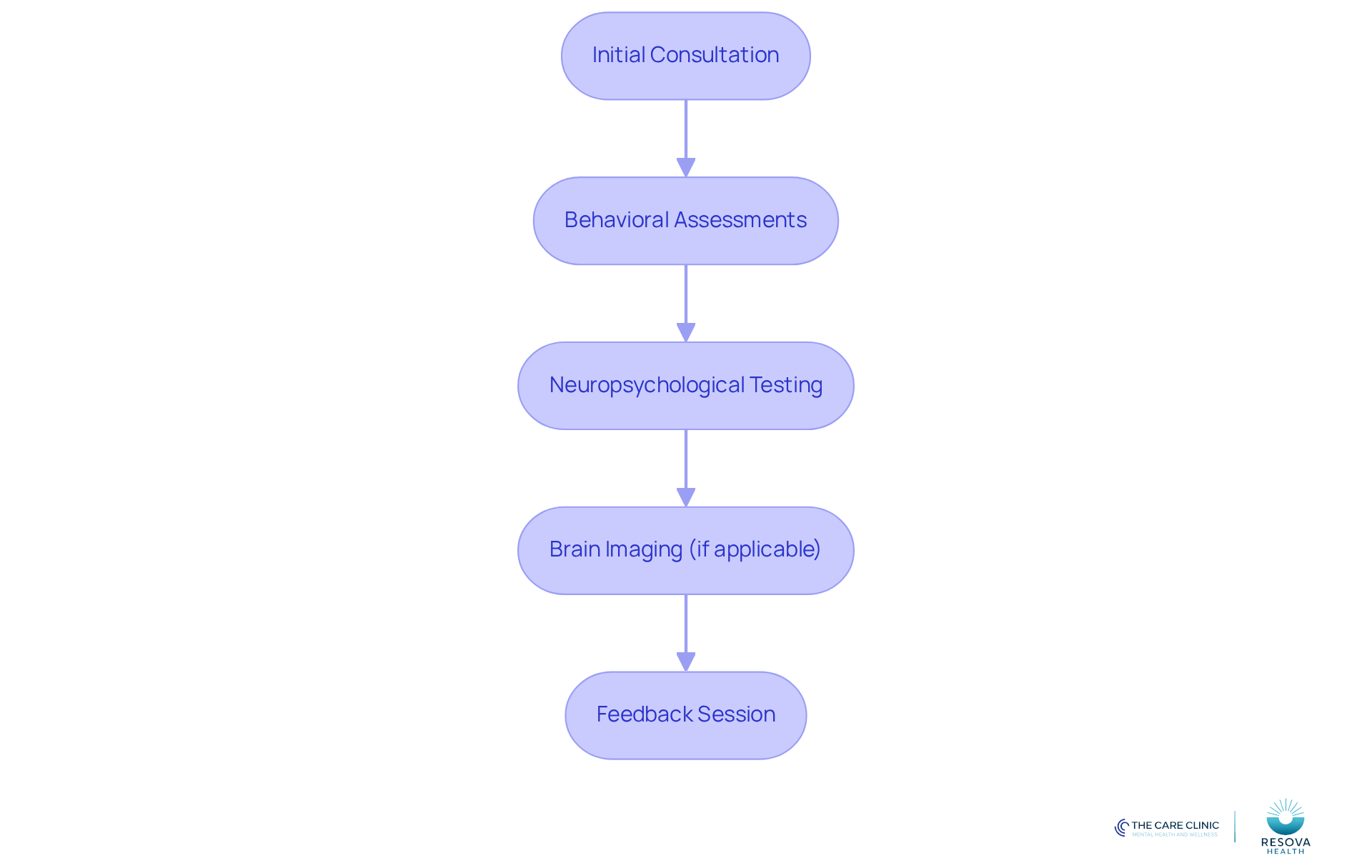
A structured approach that includes a neurological test for ADHD is essential for evaluating the complexities of diagnosing and treating attention deficit hyperactivity disorder (ADHD). Here’s a quick reflective checklist for clinicians to assess their current understanding of ADHD evaluation:
Stages of ADHD Evaluation
- Initial Consultation: A healthcare provider conducts a thorough interview to gather essential background information, including developmental history and current symptoms. This step is crucial for establishing a foundation for understanding the patient’s experience.
- Behavioral Assessments: Standardized questionnaires and rating scales are utilized to evaluate attention, hyperactivity, and impulsivity from various perspectives. This includes self-reports and insights from family members, ensuring a well-rounded view of the patient’s behavior.
- Neuropsychological Testing: This may involve a series of tasks designed to assess cognitive functions such as memory, attention span, and problem-solving abilities. Tests like the Conners Continuous Performance Test (CPT) are commonly employed to provide objective data.
- Brain Imaging (if applicable): In certain cases, brain imaging methods like MRI or EEG may be used to monitor brain activity and structure. This can offer valuable insights into the underlying factors contributing to ADHD.
- Feedback Session: Following the evaluation, a follow-up appointment is scheduled to discuss the results, implications for diagnosis, and potential intervention options. This session is vital for empowering patients and families with knowledge and next steps.
By understanding these stages, clinicians can enhance their approach to ADHD evaluation, particularly through the use of a neurological test for ADHD, fostering a more empathetic and informed patient experience.
Discuss the Implications of Neurological Testing Results for ADHD Treatment
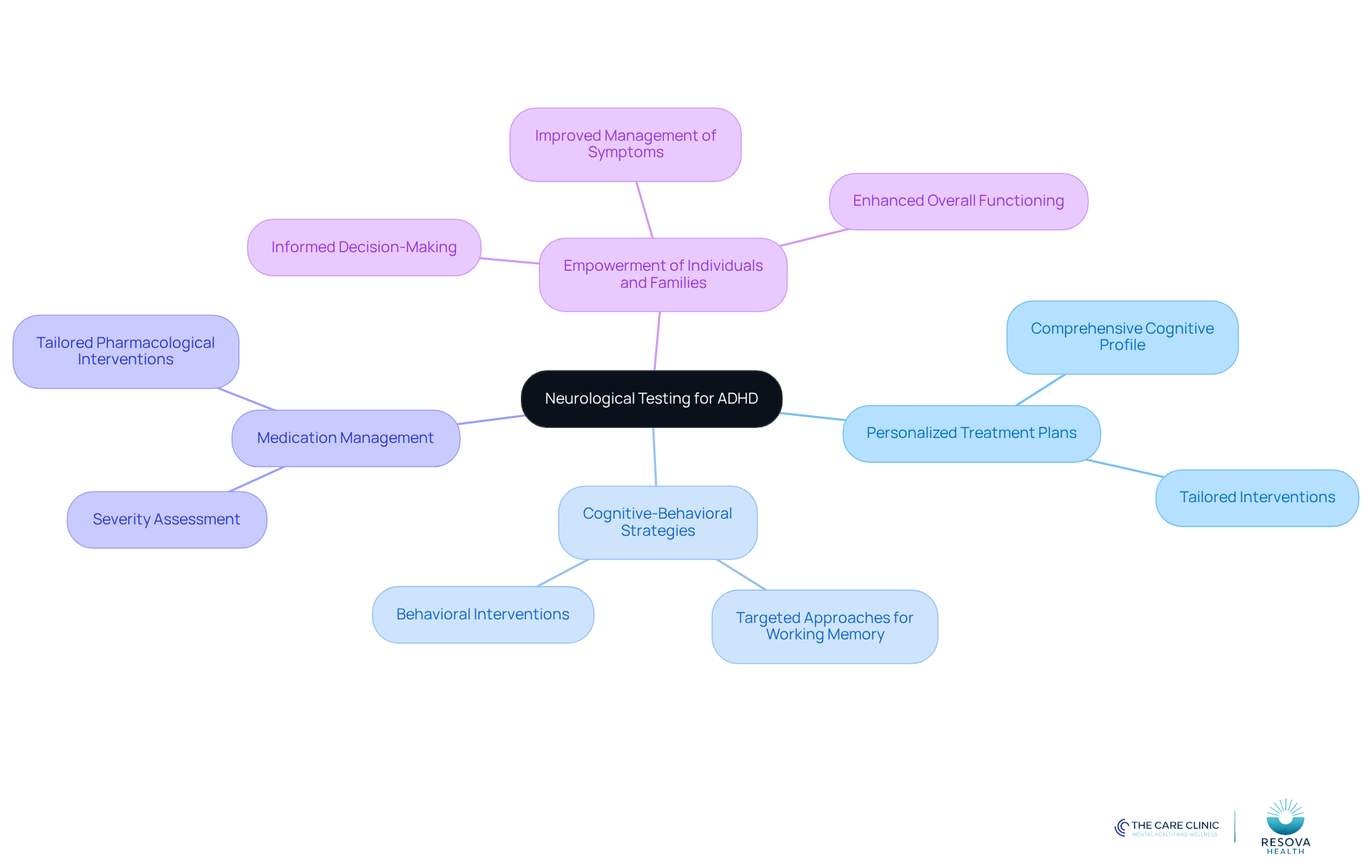
The outcomes of the neurological test for ADHD present a significant clinical challenge with real-world implications for intervention. These evaluations offer clinicians a comprehensive profile of an individual’s cognitive strengths and weaknesses, which is essential for crafting personalized treatment plans.
When assessments reveal specific deficits in working memory, clinicians can implement targeted cognitive-behavioral strategies to address these challenges effectively. Understanding the severity and nature of attention deficit hyperactivity disorder symptoms also plays a crucial role in guiding medication management, ensuring that pharmacological interventions are tailored to the individual’s needs.
Ultimately, the insights gained from a neurological test for ADHD empower individuals and families to make informed decisions about their treatment options. This leads to more effective management of ADHD symptoms and improved overall functioning, fostering a sense of control and clarity in navigating the complexities of care.
Conclusion
Understanding the complexities of neurological testing for ADHD is crucial for accurate diagnosis and effective treatment. These assessments provide objective data to confirm or rule out ADHD and help distinguish it from other mental health conditions. By adopting a structured evaluation approach, clinicians can ensure individuals receive the tailored support necessary to manage their symptoms effectively.
The article emphasizes the importance of various evaluation stages, including:
- Initial consultations
- Behavioral assessments
- Neuropsychological testing
- Potential brain imaging
Each step is vital in building a comprehensive understanding of the patient’s cognitive profile, which is essential for developing personalized treatment strategies. The insights gained from these assessments empower both clinicians and patients, leading to informed decision-making and improved management of ADHD symptoms.
Ultimately, the significance of neurological testing for ADHD goes beyond diagnosis. It fosters a deeper understanding of the condition, guiding treatment plans that respond to individual needs. As awareness of ADHD continues to grow, integrating these evaluations into standard diagnostic practices will enhance patient care, ensuring that those affected can navigate their challenges with clarity and confidence. Emphasizing the importance of these assessments can lead to better outcomes and a more supportive environment for individuals living with ADHD.
Frequently Asked Questions
What is neurological testing for ADHD?
Neurological testing for ADHD encompasses various evaluations that assess cognitive functions and brain activity related to attention, impulse regulation, and executive functioning.
What types of evaluations are included in neurological testing for ADHD?
Evaluations include neuropsychological assessments, which measure cognitive abilities, and brain imaging techniques that visualize brain activity patterns.
Why is accurate diagnostic testing important for ADHD?
Accurate diagnostic techniques are essential for effective treatment planning and ensuring appropriate intervention, ultimately improving patient outcomes.
How prevalent is ADHD among adults in the U.S.?
In 2023, approximately 15.5 million adults in the U.S. were diagnosed with ADHD.
What did a large-scale study involving over 140,000 patients reveal about ADHD diagnoses?
The study highlighted significant trends in ADHD diagnoses, underscoring the need for robust assessment methods to ensure accurate identification.
How can neurological tests improve treatment outcomes for ADHD?
Neurological tests can lead to better treatment outcomes by tailoring approaches to meet individual needs, ensuring individuals receive the support necessary to manage their symptoms effectively.
Is the integration of brain evaluations into ADHD diagnostic practices becoming more common?
Yes, incorporating brain evaluations into standard diagnostic practices is becoming more common as awareness of ADHD grows.
List of Sources
- Define Neurological Testing for ADHD
- New Research Highlights Trends in ADHD Diagnoses (https://psychiatry.org/news-room/news-releases/new-research-highlights-trends-in-adhd-diagnoses)
- Neuromarker for ADHD could improve diagnosis of the disorder (https://news.yale.edu/2022/11/23/neuromarker-adhd-could-improve-diagnosis-disorder)
- ADHD in the News 2025-10-23 – CHADD (https://chadd.org/weekly-editions/adhd-in-the-news-2025-10-23)
- Attention-Deficit/Hyperactivity Disorder Diagnosis, … (https://cdc.gov/mmwr/volumes/73/wr/mm7340a1.htm)
- Data and Statistics on ADHD (https://cdc.gov/adhd/data)
- Explain the Purpose of Neurological Testing in ADHD Diagnosis
- ADHD in the News 2025-08-07 – CHADD (https://chadd.org/weekly-editions/adhd-in-the-news-2025-08-07)
- Data and Statistics on ADHD (https://cdc.gov/adhd/data)
- Adult ADHD: Overdiagnosed? Or finally getting the attention it deserves? (https://aamc.org/news/adult-adhd-overdiagnosed-or-finally-getting-attention-it-deserves)
- 100 ADHD Quotes From Experts, Authors and Entrepreneurs (https://diygenius.com/best-adhd-quotes)