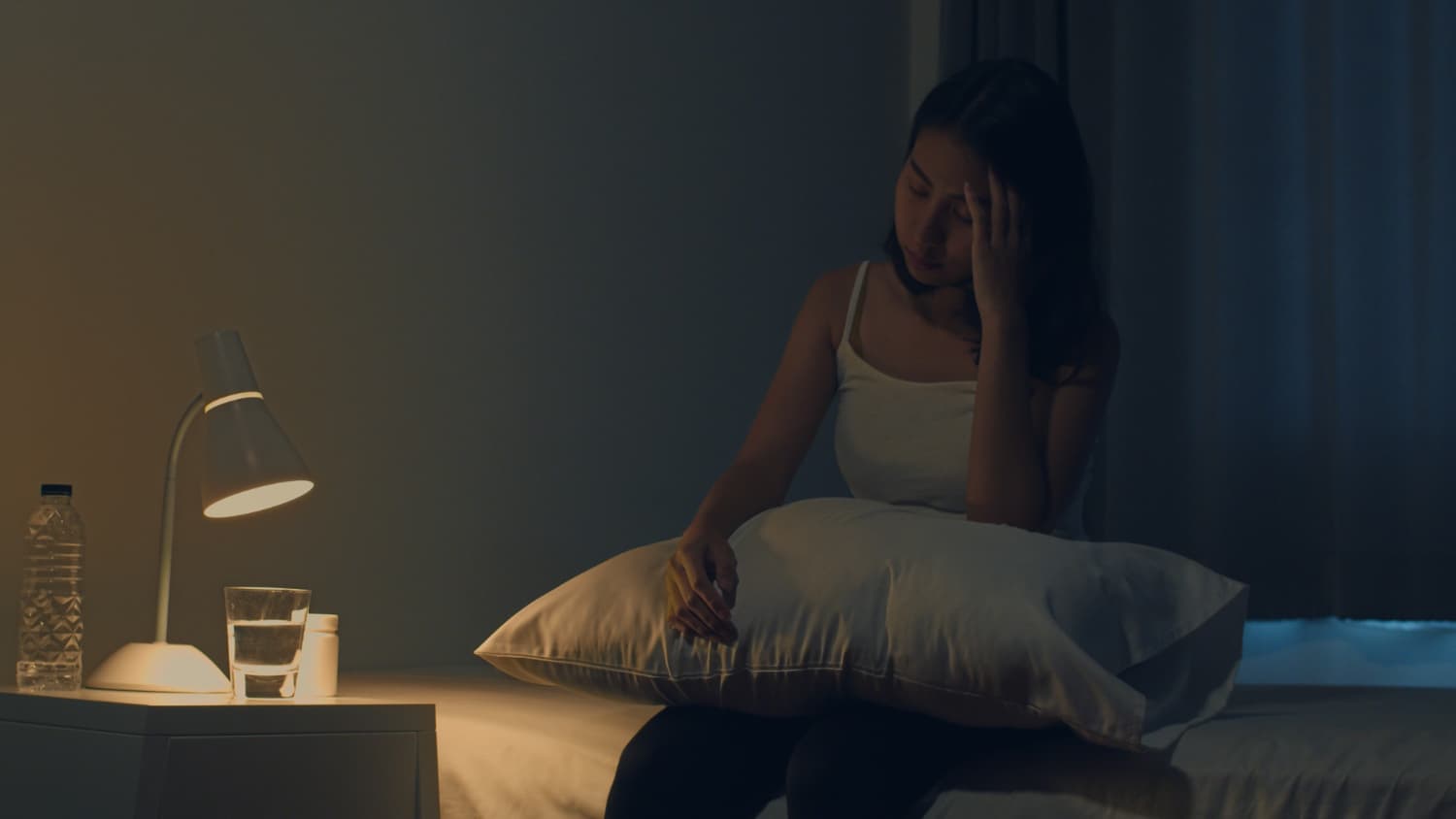
When Sleepless Nights Signal a Treatable Condition
Sleep problems can feel confusing. One week you sleep fine, the next week you are awake for hours with no clear reason. Occasional rough nights are common, especially during busy or stressful times. When poor sleep becomes the rule instead of the exception, it may point to a sleep condition that can often improve with the right evaluation and plan.
A psychiatric evaluation can look at how mental health symptoms, medications, substance use, and sleep interact. Psychiatric care may be appropriate when sleep concerns overlap with mood, anxiety, trauma-related symptoms, bipolar disorder, substance use, or medication management. Primary sleep disorders may require assessment by primary care, sleep medicine, neurology, or other in-person clinicians. In this article, we explain when sleep issues may need psychiatric evaluation or sleep-medicine referral, what a psychiatric sleep evaluation usually involves, and how telepsychiatry may support safer, more coordinated care.
Normal Sleep Changes vs. Concerning Sleep Problems
Sleep is not the same every night. It is normal for adults to have short stretches of poor sleep. Travel, schedule changes, illness, or temporary stress can all lead to a few nights of light or broken sleep. As people age, they may also notice they wake earlier or sleep in shorter blocks.
Some patterns are more concerning, especially when they go on for weeks or months. Red flags may include:
- Trouble falling asleep most nights, even when you go to bed at a reasonable time
- Waking up many times during the night and struggling to return to sleep
- Loud snoring that includes gasping, choking, or long pauses in breathing, often noticed by a bed partner
- Waking up feeling unrefreshed, even after what seems like a full night in bed
- Morning headaches or dry mouth that repeat several days a week
Daytime effects can be just as important as what happens at night. Many people with ongoing sleep problems notice:
- Strong daytime sleepiness that affects work, school, or caring for others
- Trouble focusing or remembering things
- Irritability, low mood, or feeling on edge
- Increased use of caffeine, alcohol, or other substances in an attempt to cope
When these patterns last most nights for several weeks, they usually deserve medical attention. Snoring, gasping, choking, breathing pauses, unrefreshing sleep, morning headaches, and dry mouth may warrant evaluation by primary care or sleep medicine, rather than psychiatric care alone. A good first step is to talk with a primary care clinician or current mental health provider, who may address basic causes and coordinate referral when indicated.
When Psychiatric Evaluation May Be Helpful for Sleep Concerns
A psychiatrist can assess how mood, anxiety, thought patterns, trauma-related symptoms, medications, substance use, and sleep affect one another. Psychiatric care for sleep concerns is most appropriate when mental health conditions, psychiatric symptoms, substance use, or medication management may be contributing to disrupted sleep.
It may be helpful to seek a psychiatric evaluation if:
- You have chronic insomnia that has not improved with simple sleep hygiene tips
- You have depression, anxiety, bipolar disorder, PTSD, or other conditions and your sleep problems seem tightly linked to your symptoms
- You take several psychiatric or medical medications and are unsure which ones are helping or hurting your sleep
- You have nightmares, racing thoughts, panic symptoms, or changes in mood that are disrupting sleep
- You are using alcohol or other substances in an attempt to sleep or cope with daytime fatigue
Some concerns are better assessed first by primary care, sleep medicine, neurology, or another appropriate in-person clinician. Suspected sleep apnea, parasomnias such as sleepwalking or acting out dreams, narcolepsy, cataplexy, and seizure-like episodes may require specialized medical evaluation. Psychiatric care may still be part of a broader plan when mental health symptoms or medications also affect sleep.
Certain warning signs require prompt action. Suicidal thoughts or thoughts of self-harm require immediate crisis or emergency support. If you are falling asleep while driving or have dangerous daytime sleepiness, stop driving and seek prompt in-person medical evaluation. Severe breathing problems, repeated gasping or pauses in breathing, seizure-like episodes, new confusion, sudden weakness, or other acute neurologic symptoms require urgent or emergency in-person care.
What to Expect From a Psychiatric Sleep Evaluation
At a practice like Resova Health, a psychiatric sleep evaluation is a structured, detailed conversation focused on psychiatric assessment, medication review, mental-health evaluation, and care coordination. We typically ask about:
- Bedtime, wake time, and how these may shift on workdays versus days off
- How long it takes you to fall asleep and how often you wake at night
- Snoring, restless legs, unusual movements, or behaviors during sleep
- Current and past mental health symptoms and treatments
- Medical conditions, including heart, lung, neurologic, or hormonal issues
- All medications, supplements, caffeine, nicotine, alcohol, and other substances
You may be asked to keep a simple sleep log or fill out questionnaires. These tools help us see patterns over days or weeks instead of relying on one bad night.
When clinically appropriate, we may suggest:
- A sleep-medicine referral or coordination with another appropriate in-person medical clinician for a sleep study
- Lab work, coordinated with your primary care clinician
- Review by other specialties, such as cardiology or neurology, when there are signs of other medical concerns
Treatment planning is careful and gradual. Possible components include:
- Cognitive and behavioral strategies for insomnia, focused on changing unhelpful sleep habits and thoughts
- Review and adjustment of medications that may be affecting your sleep, mood, or anxiety
- Consideration of medication changes or sleep-related medications only when clinically appropriate after review of risks, benefits, interactions, medical history, and patient-specific factors
- Ongoing monitoring for side effects, interactions, and changes in symptoms
The aim is not a quick fix, but an individualized plan that respects both your mental health and your physical safety.
How Telepsychiatry Supports Safer Sleep Care
For eligible adults in Virginia and other states where Resova Health offers telepsychiatry, virtual care may provide a clinically rigorous way to receive longitudinal psychiatric evaluation, medication management, follow-up, and coordination for sleep concerns connected to mental health or medications.
A typical virtual visit may include:
- A secure video session in a private space
- A structured interview that covers your sleep, mental health, and medical history
- Clear discussion of possible options, including risks, benefits, and limits of any medication changes
- Planned follow-up visits to monitor symptoms and make adjustments when indicated
Telepsychiatry has important limits. Some emergencies, complex neurologic symptoms, suspected primary sleep disorders, or severe breathing problems during sleep require in-person care. We aim to be clear about what we can and cannot safely manage remotely. When needed, we coordinate with primary care, sleep medicine, and other specialists, support second opinions, and help with medication stabilization before returning you to your main treating team.
Taking the Next Step Toward Better Sleep and Mental Health
If you recognize persistent or impairing sleep problems in your own life, it may help to bring them up with a trusted clinician. Many adults start by talking with a primary care clinician or existing mental health provider. Based on that discussion, psychiatric evaluation may be helpful when sleep concerns overlap with mental health symptoms, substance use, or medication questions, while sleep-medicine or other medical referral may be indicated for primary sleep concerns.
At Resova Health, we provide psychiatry and telepsychiatry for adults whose sleep concerns overlap with mental health symptoms or medication questions. Our approach is evidence-informed, collaborative, and measured. We work within clear boundaries, coordinate with referring professionals when appropriate, and provide referral and coordination for sleep medicine or other medical specialties when indicated.
Request a Psychiatric Evaluation for Sleep Concerns
If your sleep concerns are connected to mental health symptoms or medication management, you may request a psychiatric evaluation or telepsychiatry consultation with Resova Health. Learn more about our psychiatric services or submit an appointment request. If your symptoms suggest a primary sleep disorder, such as breathing pauses, severe snoring, unusual sleep behaviors, or dangerous daytime sleepiness, seek appropriate sleep-medicine or in-person medical care.